Thursday, April 30, 2020

Halfway through one of the strangest earnings seasons ever, here's what we are learning - CNBC
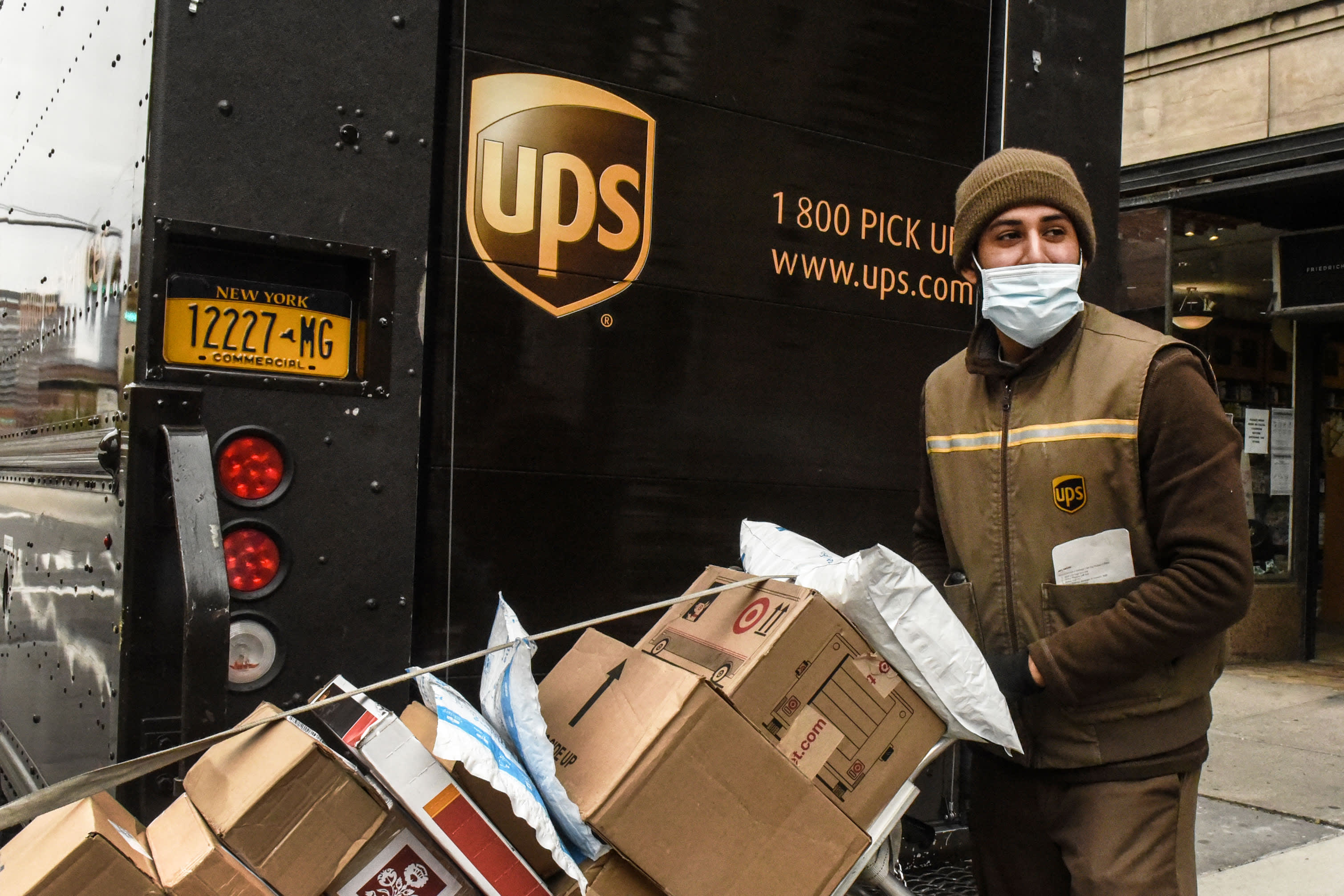
A United Parcel Service worker delivers packages on April 29, 2020 in New York City.
Stephanie Keith | Getty Images
Half of the S&P 500 companies have reported earnings for the first quarter and this has been the strangest earnings season imaginable.
Consider:
- Global activity has ground to a halt in some sectors, but has accelerated in others.
- The majority of companies are withdrawing full year guidance yet the S&P 500 is only 15% off its historic high.
- Many analysts seem clueless. The dispersion — the difference between analyst estimates from the high to the low estimate — has never been higher, making estimates particularly difficult to interpret. "You have a lot of analysts who have just given up, who have not revised their estimates," David Aurelio, who tracks corporate earnings at Refinitiv, said. "Some of them cannot keep up with the bad news."
With such confusion, why bother looking at earnings?
Given all this madness, does anyone care about earnings and commentary right now?
The answer is yes, for two reasons:
- After the big drop in March and the recovery in April, investors are going back to an old pattern: rewarding companies that surprise on earnings and punishing those that disappoint. Aurelio notes that among those companies that have reported earnings so far, those that beat on average rise 1.4% two days after after they report, and those that miss are down 2.4%.
- Though the majority of companies reporting are declining to provide full-year guidance, you can still find clues in how companies are viewing their operations for the second half of the year in the commentary and analyst calls. Specifically, is there any rebound at all?
We're doing well, but we're not doing well
Corporations are reporting a lot of "good news, bad news" stories that are not easy to reconcile.
Shipping giant UPS is getting more revenues from Americans shopping online, but delivery of shipments to businesses has shrunk dramatically.
3M is making money selling its N95 masks and noted strong growth in personal safety products but it is still laying off workers in other divisions and withdrew its full-year guidance.
Music streaming service Spotify reported a loss that was less than expected and added more users, both paying customers and those who listened to its free ad-supported category. But it lowered its revenue guidance for the year as ad sales fell.
Even food companies are having a tough time figuring out what is going on. You'd think snack maker Mondelez would be doing better: They make Oreos. They did beat estimates, and consumers certainly stockpiled food. But the company withdrew its 2020 forecast due to uncertainty surrounding the impact of the virus.
You'd think the lab-testing business would be booming, but no. Even testing giant Laboratory Corp., which reported better-than-expected profits and is rolling out a new coronavirus antibody test, is withdrawing 2020 guidance due to the pandemic, and taking other actions including furloughing workers.
Green shoots?
So why are the markets doing so well? Analysts point to a combination of hopes for a gradual reopening, combined with a dramatic expansion of testing, as well as better news on potential treatment modalities, all of which are helping investors convince themselves that some bottom was put in during March.
"Markets are trading on an increase in clarity," Jenny Harrington, CEO and portfolio manager at Gilman Hill Asset Management, said on our CNBC's "Halftime Report" on Wednesday.
Nick Raich, who covers corporate earnings at the Earnings Scout, agrees. "The markets are speculating that the worst of the earnings cuts are coming in the second quarter, which we are in now," he said. "By the time the companies report second quarter earnings in July, the majority of the downward cuts will be known."
Several companies have been trying a similar balancing act — providing little guidance but sounding vaguely optimistic —and investors seem to be buying the narrative.
Google-parent Alphabet talked about a difficult quarter as consumers are shopping less, but sounded cautiously optimistic that a drop-off in ad revenues in March was starting to moderate.
Truck engine maker Cummins withdrew guidance but also says it is seeing business ramp up slowly in April, after hitting a low earlier during the coronavirus pandemic.
Both are trading up since their earnings report.
Finally, there is this hopeful comment from Facebook, which just reported earnings:
"After the initial steep decrease in advertising revenue in [the last 3 weeks of] March, we have seen signs of stability reflected in the first three weeks of April, where advertising revenue has been approximately flat compared to the same period a year ago, down from the 17% year-over-year growth in the first quarter of 2020."
"Here" - Google News
April 30, 2020 at 05:57PM
https://ift.tt/3d45tzA
Halfway through one of the strangest earnings seasons ever, here's what we are learning - CNBC
"Here" - Google News
https://ift.tt/39D7kKR
Shoes Man Tutorial
Pos News Update
Meme Update
Korean Entertainment News
Japan News Update
Mercedes-Benz reopened an Alabama auto plant. Here's how it happened - CNBC

Tobias Schwarz | AFP | Getty Images
Mercedes-Benz reopened its U.S. plant this week in Alabama, becoming one of the first manufacturers to resume operations since the coronavirus pandemic halted auto production across the country last month.
Depending how the reopening goes, it could assist other automakers in efforts to reopen their domestic plants in the coming weeks and months. If successful, it could be a benchmark for the industry. If not, it may cause others to rethink their processes and timing.
Daimler, which owns Mercedes-Benz, said it took "robust and best practice safety measures" to ensure that the reopening of the plant was safe for its 4,200 workers who produce the Mercedes-Benz GLE, GL and GLE Coupe SUVs.
New protocols to reduce the spread of the virus include the mandatory wearing of face masks, temperature checks at entry and separation of employees in break rooms, cafes and common areas.
"Our team members' health and safety has top priority at Mercedes-Benz," the company said in an emailed statement. "During our shutdown, we have monitored and learned from other Mercedes-Benz plants around the world as they returned to work."
The automaker has increased sanitizing measures and continuing to allow employees who can to work from home to reduce traffic in the plant, located near Tuscaloosa.
A Daimler spokesman declined to comment on how many employees returned to work this week, how the company determined which workers would return and whether or not there has been any problem with absenteeism.
Only one of the plant's three shifts of workers was initially called back Monday as the plant ramps up production and the safety measures are implemented.
In the coming weeks, Daimler said, it expects to "gradually bring in additional team members to begin running at full production volume." The reopening came a week after the company resumed operations at a U.S. commercial vehicle plant.
The measures are similar to what other automakers have said they plan to do to reopen their facilities, most of which have been shuttered due to the coronavirus pandemic since mid- to late March.
Daimler said it also obtained guidance from the Centers for Disease Control and Prevention and benchmarked the best safety practices with other groups such as the West Alabama Chamber of Commerce, Alabama Automotive Manufacturers Association and the Alliance for Automotive Innovation.
The windows at the corporate headquarters of Daimler AG in Untertürkheim are illuminated.
picture alliance | picture alliance | Getty Images
"We will continue to monitor federal and state guidance and regulations throughout this ramp up period, and will make whatever changes as may become necessary to ensure our team members safety and to ensure the required production capacities of the highly demanded SUV models coming out of Alabama," the company said.
Volkswagen, General Motors, Ford Motor and Fiat Chrysler have indefinitely extended their U.S. plant shutdowns. The Detroit automakers have been in discussions with the United Auto Workers union for weeks about reopening their plants.
Toyota Motor, Hyundai Motor and Honda Motor are among the automakers that plan to reopen U.S. factories in the next week or so. Nissan Motor, following several postponements, expects to restart production in mid-May.
"Here" - Google News
April 30, 2020 at 08:12PM
https://ift.tt/2YqzpCh
Mercedes-Benz reopened an Alabama auto plant. Here's how it happened - CNBC
"Here" - Google News
https://ift.tt/39D7kKR
Shoes Man Tutorial
Pos News Update
Meme Update
Korean Entertainment News
Japan News Update
Jenis Kursi Cafe dari Kayu Jati yang Berkualitas - Warga
[unable to retrieve full-text content]
Jenis Kursi Cafe dari Kayu Jati yang Berkualitas Warga"cafe" - Google Berita
April 30, 2020 at 03:12PM
https://ift.tt/3eYqBcq
Jenis Kursi Cafe dari Kayu Jati yang Berkualitas - Warga
"cafe" - Google Berita
https://ift.tt/35mwWsh
Shoes Man Tutorial
Pos News Update
Meme Update
Korean Entertainment News
Japan News Update
Think you or someone you live with has coronavirus? Here's what to know and do - CNET

Every situation is different, but here are some best practices to follow if you suspect someone you live with is sick with the coronavirus -- or even you.
Angela Lang/CNETAs coronavirus case numbers continue to grow, and we learn more about the symptoms the virus can cause, you may be more concerned about what to do if you or someone you live with becomes infected with COVID-19 -- or thinks they might be. If that does happen, it's important to know which steps to take to avoid spreading the virus to others, as well as how to care for that person, or how others should help care for you.
This includes calling the doctor to see if you're eligible for COVID-19 testing, monitoring your symptoms and isolating yourself from others until your symptoms have subsided the appropriate length of time.
Some of these common recommendations may be impractical if you have a roommate (or three), or live in a household with your family or a significant other. You should already be practicing social distancing as best you can in a roommate situation, but it isn't always possible. And if you're helping care for others in your family, self-isolation can be extra hard.
We've drawn suggestions from the Centers for Disease Control and Prevention, as well as first-hand advice from people we know who have recovered from the coronavirus. Here are recommendations for how to adjust if you suspect someone in your household has COVID-19, but is not sick enough for hospitalization. Note this is not an exhaustive list and guidance from public health agencies is changing over time.
Here's what you need to know about finding a coronavirus testing site near you, and the latest on coronavirus antibody tests and nasal swab testing.
Contact the doctor
At the first sign of what could be coronavirus, contact the doctor immediately to list symptoms and ask for advice on whether you should pursue COVID-19 testing. In many cases, the doctor will need to order the test for you (more on this below).
If the patient has underlying health conditions that put them at higher risk for fatality, the doctor will also be able to weigh in on which medications they should and shouldn't take and how they'll need to adjust their lifestyle, including what kind of vital signs you should monitor as the illness progresses.
Isolate the person who's sick
As soon as you or someone you live with suspects they have symptoms of COVID-19 (or tests positive for the coronavirus), they need to isolate from others until they test negative, or until the symptoms are long gone (more details below).
They should wear a face mask or cloth covering if they're in the same room as you or your housemates and everyone needs to make sure they've thoroughly washed their hands for 20 seconds after interacting. It's also important to keep the house sanitized. A healthy person could reduce contact with a sick person by filling a water pitcher and preparing food for the patient, leaving both at a safe distance for the member of your household to collect.
The CDC suggests isolating in a bedroom away from others. We understand that's not always an option -- for example, if you live in a studio apartment with a significant other or share a small house with many others.
If there isn't an extra room to stay in, make sure to maintain a six-foot distance at all times to practice social distancing. Unfortunately, that might mean someone's sleeping on the couch, on a mattress on the floor or so on.
Read more: Where to buy face masks and cloth coverings online

You can make a face mask at home for the infected person to wear.
Angela Lang/CNETWhat if you only have one bathroom?
The CDC recommends the presumptive coronavirus patient use a different bathroom if possible. However, if you only have one bathroom, the person who's ill should wear a mask when they leave their isolation room. After they leave the bathroom, make sure the toilet, sink, shower, handles and soap dispensers get sanitized.
Wash your hands for at least 20 seconds and avoid touching your mouth, nose and eyes. Also, avoid using the same hand towel as the potentially infected person. You may need to set up a caddy for items that only the sick person uses, like a separate soap dispenser, towel, toothpaste tube and so on.
How to care for a person with presumed or confirmed COVID-19
If there are multiple people who live in your home, the CDC suggests only one person should take care of the sick one to limit the number of people who might come in contact with the virus. That includes bringing them food or medicine; checking their temperature, vitals and blood pressure; and laundering their clothes and bedding.
It's a good idea, however, for the carer to wear gloves and a face mask when coming in contact with anything the infected person has touched, before washing their hands directly after.
When you bring food, for example, you can place it inside the room they're staying in, but avoid contact with them and make sure your nose and mouth are covered -- theirs, too.
While in isolation, your roommate may start to feel lonely, so make sure you're comforting them by sending them texts, calling to talk from the next room, or even talking to them outside the door. Michigan Health suggests opening a window for air circulation.

You'll need to check the infected person's temperature daily to see if they have a fever.
Angela Lang/CNETMonitor their symptoms
It's important to note that many hospitals don't want you to go to the emergency room or arrive for a COVID-19 test without a doctor's order, or an advanced state of symptoms, like high fever over 102 degrees. In many places, the number of tests are limited and hospitals must follow protocols to limit the exposure of sick people to the rest of the hospital population.
The CDC and hospitals such as Cedars-Sinai in Los Angeles suggest contacting your primary care provider about symptoms and the next steps you should take.
Symptoms that typically warrant a COVID-19 test include:
- Trouble breathing
- Persistent pain or pressure in the chest
- Confusion or lack of energy
- Bluish lips or face
Everyone needs to stay home
If the person you live with has contracted the coronavirus, it's possible you and other housemates have already been exposed. The World Health Organization states the incubation period for someone with coronavirus is between one to 14 days. This is the time between catching the virus and seeing symptoms. This means you need to quarantine yourself for two weeks to prevent spreading the virus to others.
To avoid going out, have your food and groceries delivered to your door. The CDC says once everyone is symptom-free for at least 72 hours and testing negative for coronavirus, you can leave the house for necessities again.
Coronavirus symptoms include coughing, difficult breathing, fever, chills, repeated shaking with chills, muscle pain, headache, sore throat and loss of taste or smell.
Disinfect surfaces often
Make sure you're cleaning and disinfecting high traffic surfaces in your home daily. This includes doorknobs, remote controls, bathroom surfaces, kitchen counters, appliances and your phone. Use products from the EPA's approved list of disinfectants to help kill coronavirus.
The American Red Cross says to avoid sharing household items, such as glasses, utensils, towels and bedding. If an ill person uses any of these items, they should be washed thoroughly.

Disinfect the surfaces in your home daily.
James Martin/CNETWhen is it OK to stop self-isolating?
If the infected person doesn't have access to testing, the CDC states they can leave their home if they've had no fever for at least 72 hours (without medicine), symptoms like coughing have improved and at least seven days have passed since their symptoms first appeared.
To help better prepare you for a coronavirus case in your home, here's what you need to know about making a face mask or covering at home, where you can buy a face mask if you don't have the right tools and how to disinfect your car and home to help kill coronavirus.

Watch this: Keep in touch with loved ones while keeping your distance
1:32
The information contained in this article is for educational and informational purposes only and is not intended as health or medical advice. Always consult a physician or other qualified health provider regarding any questions you may have about a medical condition or health objectives.
"Here" - Google News
April 30, 2020 at 06:45PM
https://ift.tt/35kWtn3
Think you or someone you live with has coronavirus? Here's what to know and do - CNET
"Here" - Google News
https://ift.tt/39D7kKR
Shoes Man Tutorial
Pos News Update
Meme Update
Korean Entertainment News
Japan News Update
Here Are the Economic Recovery Signs You Should Watch for, According to Experts - Inc.

How long will the current economic downturn go on, and how will we know when it's over -- or at least that things are starting to improve? Economic experts have varying predictions, but several of them point to specific signs to watch for that will tell us when the economy is beginning to bounce back.
The personal finance site GOBankingRates polled a wide range of experts, either by interviewing them or reviewing their published remarks, and put together 17 predictions for when we might see the economy begin to improve. You can find the whole list here. These are some of the top sings to watch for.
1. Unemployment claims start to drop.
Right now, of course, unemployment is rapidly on the rise, and the numbers are very frightening. So far, 26.5 million people have applied for unemployment over the past six weeks, a record number. A Trump advisor told Reuters that unemployement could go up to 16 percent or higher.
Those numbers represent a great deal of pain for many American families. And we'll know the worst is over when they start to reverse, according to Wafa Hakim Orman, associate dean of the College of Business at The University of Alabama in Huntsville. "The most important indicators to keep an eye on will be payrolls and unemployment claims," she said in a statement released by the university. Like most economists, she warned that things will get worse before they get better, noting that some experts expect unemployment rates to reach 20 percent before they start coming down again.
2. Consumers begin spending by choice.
"People are still spending -- the question is when will discretionary spending take place?" Paul Miller, founder of Miller & Company and a frequently quoted financial expert told GOBankingRates. The answer to that question depends on how confident people feel about their incomes, he said. "If people feel safe and are comfortable with their job, they will spend money. If they do not, this will slow spending."
If jobs return swiftly and people feel comfortable spending again within a year, he added, "You could see the GDP [gross domestic product] back to normal." That would be quite a recovery. The GDP fell 4.8 percent in the first quarter of 2020. But since most of the effect of the pandemic so far came after that time, economists expect the GDP drop in the second quarter of 2020 to be closer to 30 percent.
3. B2B spending starts to rise.
Before either unemployement drops or discretionary consumer spending rises, we'll see an earlier indication of recovery when businesses start increasing their B2B spending, according to Jim Swift, founder of Cortera, a risk management software platform that uses information gathered from major U.S. companies to predict economic trends.
Such spending will be the first sign of a recovery, he told GOBankingRates. "That will indicate that businesses are starting to invest in growth and should also mean new jobs."
4. There's a vaccine and/or a cure for Covid-19.
Although these are medical developments rather than economic ones, more than one expert predicted that the economy wouldn't truly rebound until either a vaccine or a cure for Covid-19 is widely available, preferably both.
Although vaccines are being tested in several places, including Seattle and Oxford, England, most health experts agree that a widely available vaccine is 12 to 18 months away at least and quite possibly longer. As for a cure, the FDA will reportedly soon give emergency approval for Covid-19 patients to receive an experimental antiviral drug called remdesivir, which has been shown in trials to quicken recovery from the illness and may possibly reduce the risk of death from it as well. Remdesivir may be helpful against the disease, but it stops well short of being a cure. And, as with the vaccines, it's impossible to know how long it will take for the drug to be widely available to the hundreds of thousands of Covid-19 patients around the country.
Still, news of remdesivir's success in a large trial was enough to drive a stock market rally, despite bleak economic news and a death count that, at least temporarily, makes Covid-19 the leading cause of death in the U.S.
Why is the market rallying? Because of "the expectation that whatever the world looks like 9 or 12 months down the road, it's going to look better than it does now," Scott Clemons, chief investment strategist for private banking at Brown Brothers Harriman, told the New York Times. Right or wrong, that expectation is the best hope we have for a recovery that comes sooner rather than later.
"Here" - Google News
April 30, 2020 at 01:47PM
https://ift.tt/2zDZdAd
Here Are the Economic Recovery Signs You Should Watch for, According to Experts - Inc.
"Here" - Google News
https://ift.tt/39D7kKR
Shoes Man Tutorial
Pos News Update
Meme Update
Korean Entertainment News
Japan News Update
Featured Post
A New Cafe, Cocktail Bar, Sports Pub, and Pickleball Destination Is Opening in Far South Austin - Eater Austin
takanadalagi.blogspot.com Two new sibling bars are opening in far south Austin sometime this year. There’s cafe and cocktail bar Drifters S...

Postingan Populer
-
It started with medical marijuana. Now, as consumers have embraced medical marijuana as a legal way to treat chronic pain, the taboo is li...
-
CARA MENCARI DAN MENDAPATKAN BACKLINK SITUS EDU GOV Selamat Datang di Blog Orang IT . Share postingan ringan dan singkat saja mengenai ...
-
takanadalagi.blogspot.com Two new sibling bars are opening in far south Austin sometime this year. There’s cafe and cocktail bar Drifters S...


